

Chest pain can be frightening, especially when you do not know what is causing it. Sometimes the cause is minor, such as muscle strain or heartburn. However, chest pain can also signal a heart attack, blood clot, lung problem, or another serious condition.
The safest approach is to pay attention to new, sudden, severe, or unexplained chest pain. Certain symptoms make emergency care especially important. If you think you may be having a heart attack or another life-threatening problem, call 911 rather than trying to diagnose the cause yourself.

Table of Contents
- When Is Chest Pain an Emergency?
- Warning Signs That Need Emergency Care
- What Do Heart Attack Symptoms Feel Like?
- Other Serious Causes of Chest Pain
- Can Chest Pain Have a Less Serious Cause?
- Can Heart Attack Symptoms Be Different?
- Can the ER Check for a Heart Attack?
- What Should You Do When Chest Pain Starts?
- When Is Chest Pain Less Likely to Be an Emergency?
- Chest Pain Emergency Care in Richmond, TX
- Frequently Asked Questions
Important Note
New or unexplained chest pain should not be dismissed because it feels mild. Heart attack symptoms can vary from person to person. If chest pain occurs with breathing difficulty, sweating, nausea, dizziness, fainting, or pain spreading to another part of the body, seek emergency help immediately.
When Is Chest Pain an Emergency?
Chest pain is an emergency when it may be related to a serious heart, lung, or blood vessel problem. Sudden, severe, or unexplained chest pain deserves prompt evaluation. The same is true when chest discomfort lasts more than a few minutes or comes with other concerning symptoms.
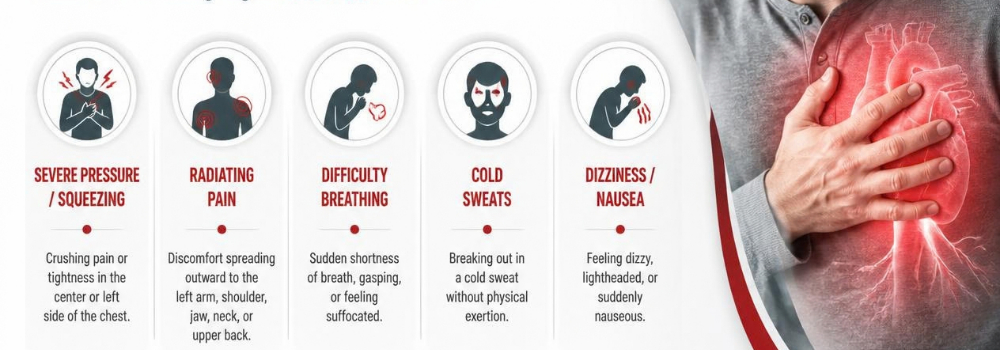
Emergency warning signs include chest pressure, squeezing, tightness, or pain that does not go away. Pain that spreads to the arm, shoulder, back, neck, jaw, or upper abdomen can also be concerning. Shortness of breath, cold sweating, nausea, dizziness, or fainting may occur at the same time.
You do not need to have every warning sign to need emergency care. Some people have only mild chest discomfort. Others may notice unusual fatigue, nausea, or discomfort in the back or jaw instead of obvious chest pain.
If you are asking, “Should I go to the ER for chest pain?” and the pain is new or unexplained, it is safer to seek medical evaluation. The cause cannot always be identified by how the pain feels.
Warning Signs That Need Emergency Care
Chest pressure, squeezing, or tightness
Chest discomfort does not always feel like sharp pain. It may feel like pressure, heaviness, squeezing, tightness, fullness, or aching. These sensations can occur during a heart attack or another heart-related emergency.
Pay particular attention when the sensation is new, persistent, severe, or different from anything you have experienced before. Do not assume that mild discomfort is automatically harmless.
Pain that spreads beyond the chest
Heart-related chest pain may spread to the shoulder, arm, back, neck, jaw, teeth, or upper abdomen. It may affect one area or several areas at the same time.
This type of spreading discomfort is one reason chest pain should not be evaluated based on location alone. Pain that moves beyond the chest can be an important warning sign of a heart problem.
Shortness of breath
Shortness of breath with chest pain requires careful attention. You may feel unable to take a full breath, unusually winded, or unable to breathe comfortably.
Breathing difficulty can occur during a heart attack, pulmonary embolism, severe asthma attack, pneumonia, or other serious conditions. Severe or sudden breathing problems should be treated as an emergency.
Cold sweating, nausea, or dizziness
Cold sweats, nausea, vomiting, lightheadedness, or sudden dizziness can occur with serious heart problems. These symptoms may be especially important when they appear with chest discomfort.
Do not assume that nausea or sweating means you only have a stomach problem. Heart attack symptoms can sometimes resemble indigestion or other less serious conditions.
Fainting or loss of consciousness
Fainting with chest pain is a significant warning sign. It can indicate that the heart or circulatory system is not functioning normally.
Chest pain accompanied by loss of consciousness requires emergency evaluation. Call 911 when symptoms suggest a potentially life-threatening condition.
What Do Heart Attack Symptoms Feel Like?
A heart attack happens when blood flow to part of the heart becomes blocked or severely reduced. Without enough oxygen, heart muscle can become damaged. A heart attack is a medical emergency that requires prompt treatment.
Many people associate a heart attack with crushing chest pain. That can happen, but it is not the only possible presentation. Chest discomfort may feel like pressure, squeezing, tightness, aching, or burning.
The discomfort may also spread to the arm, shoulder, back, neck, jaw, teeth, or upper abdomen. Other symptoms can include shortness of breath, cold sweating, nausea, dizziness, fatigue, or fainting.
Some heart attacks develop suddenly. Others have warning symptoms that appear hours, days, or even weeks beforehand. Repeated chest pressure that does not improve with rest can be an important warning sign.
Because symptoms vary, there is no reliable way to confirm a heart attack based only on the sensation. Emergency testing is needed when the symptoms are concerning.
Other Serious Causes of Chest Pain
A heart attack is not the only emergency that can cause chest pain. Several conditions involving the lungs, blood vessels, heart, or other organs can also cause sudden or severe chest discomfort.
Pulmonary embolism
A pulmonary embolism occurs when a blood clot blocks blood flow in the lungs. It can cause sudden chest pain and shortness of breath.
Sharp chest pain with sudden breathing difficulty can be particularly concerning after prolonged inactivity, surgery, a long trip, or another situation associated with blood clot risk. One swollen leg may also occur.
Aortic problems
Some serious problems involving the body’s largest artery, the aorta, can cause sudden and severe chest or upper back pain. These conditions require immediate medical assessment.
Sudden severe chest, upper back, or neck pain should not be ignored, particularly when the pain is unusual or intense.
Pneumonia and other lung conditions
Respiratory infections can sometimes cause chest discomfort, particularly when breathing deeply or coughing. Pneumonia may also cause fever, cough, weakness, and breathing difficulty.
Severe breathing difficulty or chest pain with other serious symptoms requires medical evaluation rather than home treatment alone.
Pericarditis
Pericarditis is inflammation of the tissue surrounding the heart. It can cause chest pain that may feel sharp and may change with breathing or body position.
Even when a particular pattern seems less typical of a heart attack, new chest pain should still be assessed when the cause is unclear.
Chest Pain Does Not Always Feel Dramatic
One of the most important things to remember is that serious chest conditions do not always cause severe pain. Some heart attacks cause mild discomfort or unusual symptoms. If something feels significantly different from your normal health, do not wait for the symptoms to become unbearable before seeking help.
Can Chest Pain Have a Less Serious Cause?
Yes. Chest pain has many possible causes, and not every episode is related to the heart. Muscle strain, heartburn, reflux, anxiety, inflammation, and certain lung conditions can all cause discomfort in the chest.
For example, chest pain associated with a sour taste, food coming back into the mouth, or symptoms after eating may be related to acid reflux. Pain that changes with body position or is tender when you press on the chest may also have a non-cardiac cause.
However, these patterns do not provide a reliable diagnosis at home. Heartburn can feel similar to heart-related discomfort. A person may also have more than one condition at the same time.
That is why new or unexplained chest pain should be taken seriously. Emergency professionals can determine whether the symptoms require immediate testing or treatment.
Can Heart Attack Symptoms Be Different?
Yes. Heart attack symptoms can vary significantly between people. Women, older adults, and people with diabetes may experience less typical symptoms.
Instead of obvious chest pressure, someone may notice nausea, unusual fatigue, dizziness, shortness of breath, or pain in the neck, back, arm, or jaw. Some people may have little or no chest pain at all.
This does not mean every episode of nausea or fatigue is a heart attack. It means that symptoms should be considered in context, especially when several warning signs appear together.
If you have risk factors for heart disease and develop new symptoms, do not ignore them simply because the symptoms do not match the classic description of a heart attack.
Can the ER Check for a Heart Attack?
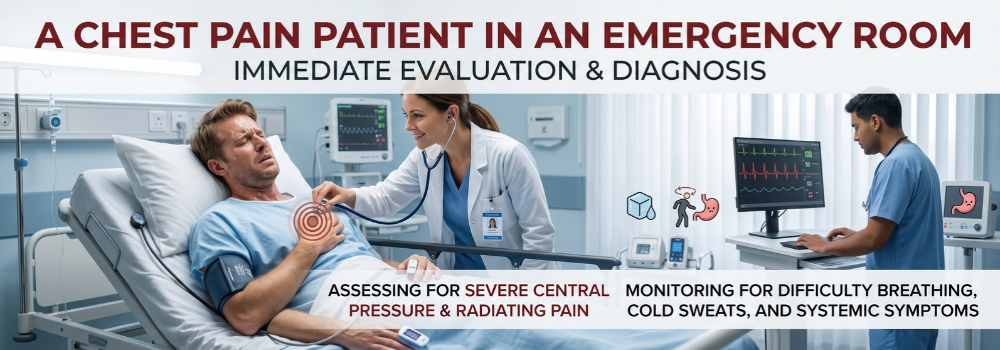
Yes. Emergency departments can evaluate chest pain and look for signs of a heart attack or other serious conditions.
The evaluation usually begins with a medical history and physical examination. The healthcare team will ask when the symptoms started, what the discomfort feels like, whether it spreads anywhere, and whether anything makes it better or worse.
An electrocardiogram, commonly called an ECG or EKG, can help evaluate the heart’s electrical activity. Blood tests may also be used to look for evidence of heart muscle injury. High-sensitivity cardiac troponin is an important biomarker used when evaluating possible acute myocardial infarction.
Depending on the symptoms and initial findings, additional testing may be needed. This can include chest imaging, heart imaging, or other tests based on the suspected cause.
The purpose of emergency evaluation is not simply to determine whether the pain is a heart attack. The medical team also needs to consider other dangerous causes of chest pain and identify the appropriate treatment.
What information should you tell the ER?
Try to remember when the pain started and whether it came on suddenly or gradually. Describe the sensation as clearly as possible. Words such as pressure, squeezing, burning, stabbing, tightness, or aching can help.
Also mention whether the pain moves to your arm, back, neck, jaw, or abdomen. Tell the healthcare team about shortness of breath, sweating, nausea, dizziness, fainting, or other symptoms.
Your medical history also matters. Tell the team about previous heart problems, high blood pressure, diabetes, high cholesterol, smoking, medications, and relevant family history.
What Should You Do When Chest Pain Starts?
If you develop sudden, severe, or unexplained chest pain, stop what you are doing and seek emergency help. Do not try to push through the symptoms to see whether they disappear.
If you think you are having a heart attack, call 911. Emergency medical services can begin appropriate care and provide transportation when necessary. If emergency transportation is unavailable, have someone else drive you to the nearest emergency facility. Driving yourself should only be considered when there is no other option.
Do not delay calling 911 because you are unsure whether the symptoms are serious. Do not wait for chest pain to become severe before seeking help.
If a healthcare professional or emergency medical operator recommends aspirin for suspected heart attack symptoms, follow that guidance. Do not delay emergency care to take aspirin, and do not take it if you have been advised against it.
Should you drive yourself to the ER?
If you have severe chest pain, significant breathing difficulty, fainting, or other symptoms that could be life-threatening, call 911 rather than driving yourself.
Emergency medical personnel can begin care during transportation and may be able to communicate important information to the receiving medical team.
When Is Chest Pain Less Likely to Be an Emergency?
Some chest pain patterns are less suggestive of a heart attack, but that does not mean they can always be diagnosed safely at home.
Pain related to muscle strain may be affected by movement or pressure on the chest. Reflux may cause burning discomfort, a sour taste, or food coming back into the throat. Anxiety or panic attacks can also cause chest tightness, rapid breathing, and a racing heartbeat.
Even so, a new symptom can be difficult to interpret. If you have never experienced the pain before, if it keeps returning, or if you are uncertain about its cause, contact a healthcare professional for guidance.
Chest pain that becomes more frequent, lasts longer, occurs with less activity, or begins while you are resting also deserves medical attention. These changes can indicate a more serious heart problem.
Who May Have a Higher Risk of Serious Chest Pain?
Chest pain can happen to anyone, but certain factors increase the risk of coronary artery disease and heart attack.
These include high blood pressure, high cholesterol, diabetes, smoking, obesity, and a strong family history of heart disease. Age also affects cardiovascular risk.
Having a risk factor does not mean that every episode of chest pain is caused by the heart. It does mean that new or unexplained symptoms deserve appropriate attention.
If you already have diagnosed angina, pay attention to changes in your usual symptoms. Chest discomfort that becomes more intense, lasts longer, occurs with less activity, or appears at rest requires prompt medical evaluation.
Chest Pain Emergency Care in Richmond, TX
If you are experiencing concerning chest pain in Richmond, emergency evaluation should not be delayed while trying to determine the cause yourself. Care Plus Emergency Room provides 24/7 emergency care at 8111 West Grand Parkway South, Richmond, TX 77407.
The facility provides emergency evaluation for adults and children and has on-site diagnostic capabilities, including CT scans, X-rays, ultrasound, and laboratory services. For patients with symptoms that require emergency assessment, these resources can support timely evaluation.
You can learn more about chest pain emergency care in Richmond and the evaluation of concerning chest symptoms.
Care Plus also provides access to other emergency services for conditions that may require immediate medical attention. If chest pain occurs with breathing difficulty, you can also learn about emergency care for shortness of breath.
If chest pain follows an accident or injury, emergency evaluation may also be necessary. Care Plus provides motor vehicle accident emergency care and treatment for other serious injuries.
Do Not Wait on Potentially Dangerous Chest Pain
If chest pain is sudden, severe, unexplained, or accompanied by breathing difficulty, sweating, nausea, dizziness, fainting, or pain spreading to the arm, back, neck, or jaw, seek emergency help. Call 911 when you believe a heart attack or another life-threatening condition may be occurring.
Frequently Asked Questions About Chest Pain Emergencies
Should I go to the ER for chest pain?
New, sudden, severe, or unexplained chest pain may require emergency care. Go to the ER when chest pain lasts more than a few minutes or occurs with shortness of breath, sweating, nausea, dizziness, fainting, or pain spreading to the arm, back, neck, or jaw.
When is chest pain serious?
Chest pain is especially concerning when it is new, severe, persistent, or associated with other warning signs. Pressure, squeezing, breathing difficulty, fainting, heavy sweating, or pain spreading beyond the chest can signal a serious condition.
Can the ER check for a heart attack?
Yes. An emergency evaluation can include a physical examination, ECG or EKG, blood tests such as cardiac troponin, and other testing when needed. These tests help evaluate for heart attack and other causes of chest pain.
Can heartburn cause chest pain?
Yes. Acid reflux and heartburn can cause burning or uncomfortable sensations behind the breastbone. However, heartburn can sometimes feel similar to heart-related chest pain. New or unexplained chest pain should not be diagnosed as heartburn without appropriate medical evaluation.
Can anxiety cause chest pain?
Yes. Anxiety and panic attacks can cause chest tightness, rapid breathing, and other physical symptoms. However, chest pain should not automatically be blamed on anxiety, especially when it is new or accompanied by emergency warning signs.
Can a heart attack happen without severe chest pain?
Yes. Heart attack symptoms can be mild or unusual. Some people experience nausea, fatigue, shortness of breath, dizziness, or pain in the back, neck, or arm instead of severe chest pain.
How long can chest pain last before going to the ER?
Do not use a specific number of minutes as a reason to wait. Sudden, severe, or unexplained chest pain should receive emergency attention. Chest pain that lasts more than a few minutes is particularly concerning, especially with other warning symptoms.
Should I wait for chest pain to go away?
No. Do not wait for potentially serious chest pain to become worse or disappear on its own. If you think you may be having a heart attack, call 911 immediately.
Should I go to urgent care or the ER for chest pain?
Chest pain that could be related to a heart attack or another serious condition belongs in an emergency setting. Severe or unexplained symptoms should not be delayed while trying to decide whether urgent care is enough.
What if my chest pain happens after exercise?
Chest discomfort triggered by physical activity can have several causes. Heart-related conditions can also become noticeable during exertion. New or recurring chest pain with activity should be medically evaluated, particularly when it improves with rest or occurs with shortness of breath, dizziness, or sweating.
What if chest pain happens while I am resting?
Chest pain that occurs at rest can be concerning, particularly when it is new or different from your usual symptoms. Call 911 if the pain is severe, persistent, or accompanied by other heart attack warning signs.
Final Thoughts
Chest pain does not always mean a heart attack, but it should never be dismissed automatically. Muscle strain, reflux, anxiety, and other conditions can cause chest discomfort. Serious heart and lung conditions can cause similar symptoms.
The most important warning signs include sudden or unexplained chest pain, pressure or squeezing, pain spreading to the arm or jaw, shortness of breath, cold sweating, nausea, dizziness, fainting, or other sudden symptoms.
If you think you may be having a heart attack or another life-threatening emergency, call 911. Prompt emergency evaluation can help identify the cause and start appropriate treatment without unnecessary delay.
Medical Disclaimer: This article is for general educational purposes only and does not replace professional medical advice, diagnosis, or treatment. Chest pain can have many causes. If you have severe, sudden, or unexplained chest pain or symptoms of a possible medical emergency, seek emergency medical care immediately.