
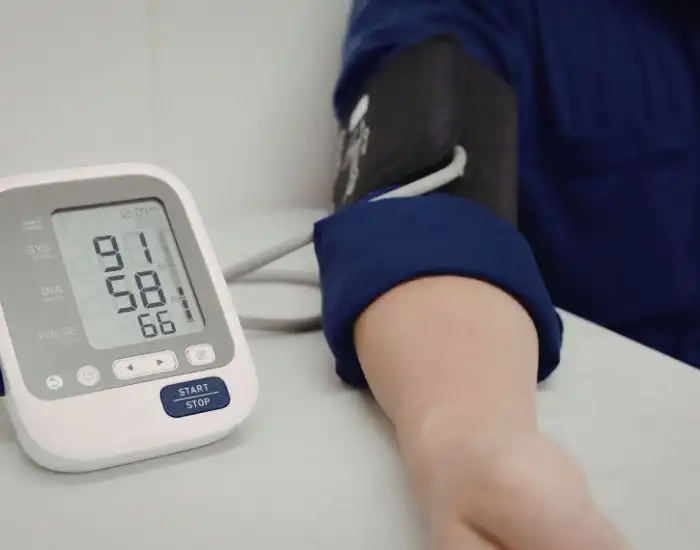
Low blood pressure can sound harmless—especially since high blood pressure gets more attention. But when blood pressure drops too low, it can reduce blood flow to the brain, heart, and other vital organs. In some cases, this can quickly become life-threatening.
Knowing when low blood pressure is an emergency helps you recognize serious warning signs and take action before complications occur.
Quick Answer: Is Low Blood Pressure an Emergency?
Low blood pressure becomes an emergency when it causes symptoms such as fainting, confusion, weakness, shortness of breath, chest pain, or signs of shock. Sudden or severe drops in blood pressure require immediate medical evaluation.
Why Low Blood Pressure Can Be Dangerous
Blood pressure is responsible for delivering oxygen-rich blood to vital organs. When it drops too low, organs may not receive enough oxygen to function properly.
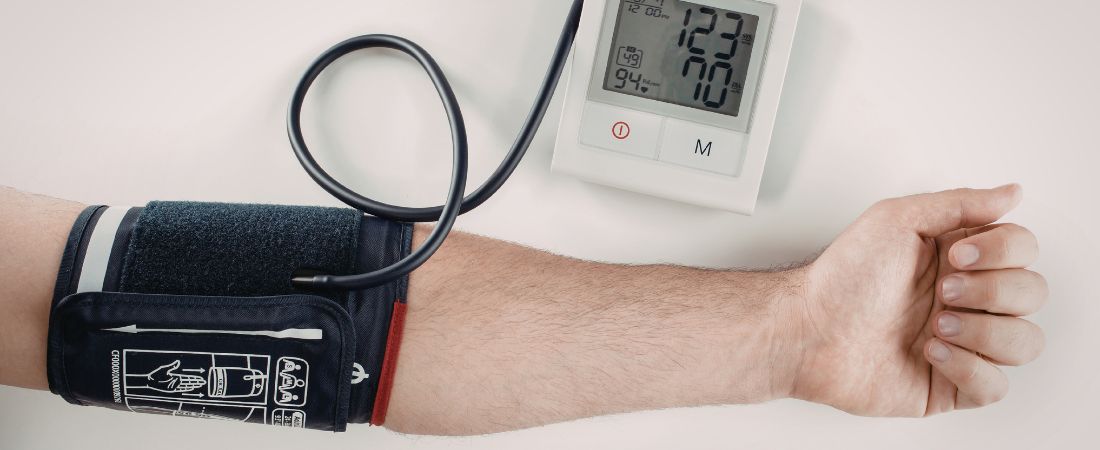
Unlike chronically low blood pressure that causes no symptoms, acute hypotension can lead to:
- Loss of consciousness
- Organ damage
- Heart rhythm disturbances
- Shock
When blood pressure falls suddenly, the body often cannot compensate fast enough.
What Causes Dangerous Low Blood Pressure?
Emergency-level low blood pressure may be caused by:
- Severe dehydration or fluid loss
- Internal bleeding
- Serious infections (septic shock)
- Heart problems or abnormal heart rhythms
- Severe allergic reactions (anaphylaxis)
- Medication reactions or overdoses
- Heat exhaustion or heat stroke
- Endocrine disorders
The cause determines how quickly symptoms progress and how dangerous the situation becomes.
Low Blood Pressure Emergency Symptoms to Watch For
You should seek emergency care immediately if low blood pressure is accompanied by:
- Fainting or near fainting
- Extreme weakness or fatigue
- Confusion or trouble staying alert
- Dizziness that does not improve when sitting or lying down
- Cold, clammy, or pale skin
- Rapid or shallow breathing
- Weak or rapid pulse
- Chest pain or pressure
- Shortness of breath
- Bluish lips or fingertips
These symptoms may indicate shock, which is a medical emergency.
How Emergency Doctors Treat Low Blood Pressure
In the emergency room, treatment focuses on stabilizing circulation and identifying the cause. Care may include:
- IV fluids to restore blood volume
- Medications to raise blood pressure
- Oxygen therapy
- Blood tests and imaging
- Heart monitoring
- Treatment of underlying causes such as infection or bleeding
Prompt treatment reduces the risk of organ damage.
When Low Blood Pressure Is Usually Not an Emergency
Some people naturally have lower blood pressure and feel fine. Mild dizziness after standing quickly or brief lightheadedness may not require emergency care if symptoms resolve quickly.
However, new, worsening, or unexplained low blood pressure should never be ignored, especially if symptoms are persistent.
ER or Urgent Care for Low Blood Pressure?
Urgent care may help with mild dehydration or medication adjustments. However, urgent care clinics are not equipped to manage shock, severe dehydration, or heart-related causes of hypotension.
If symptoms are severe, sudden, or worsening, the emergency room is the safest place to go.
Frequently Asked Questions About Low Blood Pressure
What blood pressure is considered dangerously low?
There is no single number, but symptoms matter more than the reading. Any low blood pressure causing fainting, confusion, or weakness is dangerous.
Can low blood pressure cause a stroke or heart problems?
Yes. Reduced blood flow can affect the brain and heart, especially in older adults.
Is dizziness from low blood pressure always serious?
Not always, but dizziness that is severe, persistent, or paired with other symptoms requires evaluation.
Can dehydration cause dangerously low blood pressure?
Yes. Severe dehydration is a common cause of emergency hypotension.
A Safe Option When Symptoms Feel Urgent
When low blood pressure causes fainting, confusion, or weakness, immediate evaluation can be lifesaving. Care Plus Emergency Room in Richmond, TX is open 24/7 and equipped to diagnose and treat low blood pressure emergencies without long wait times, ensuring rapid stabilization and care.
Final Thoughts
Low blood pressure should not be dismissed when symptoms appear suddenly or worsen quickly. Emergency physicians are trained to identify dangerous causes and act fast to protect vital organs. If you feel faint, confused, or unusually weak, trust your instincts and seek emergency care.
Medical Disclaimer
This content is for informational purposes only and does not replace professional medical advice, diagnosis, or treatment. If you believe you are experiencing a medical emergency, call 911 or go to the nearest emergency room immediately.